
If your fridge is already stocked with kimchi and yogurt, you’re already ahead of the curve. You’re successfully planting the “good bacteria” your body needs to thrive. But here is the discovery that changed how we look at our morning bowl: probiotics are living things, and like any living thing, they need energy to grow.
Think of probiotics as seeds. They are full of potential, but a seed won’t bloom if it’s sitting in a dark, cold corner. To turn that potential into a flourishing garden, you need the sun. In your gut, that “sunlight” is the Prebiotic.
Prebiotics vs. Probiotics: What’s the difference?
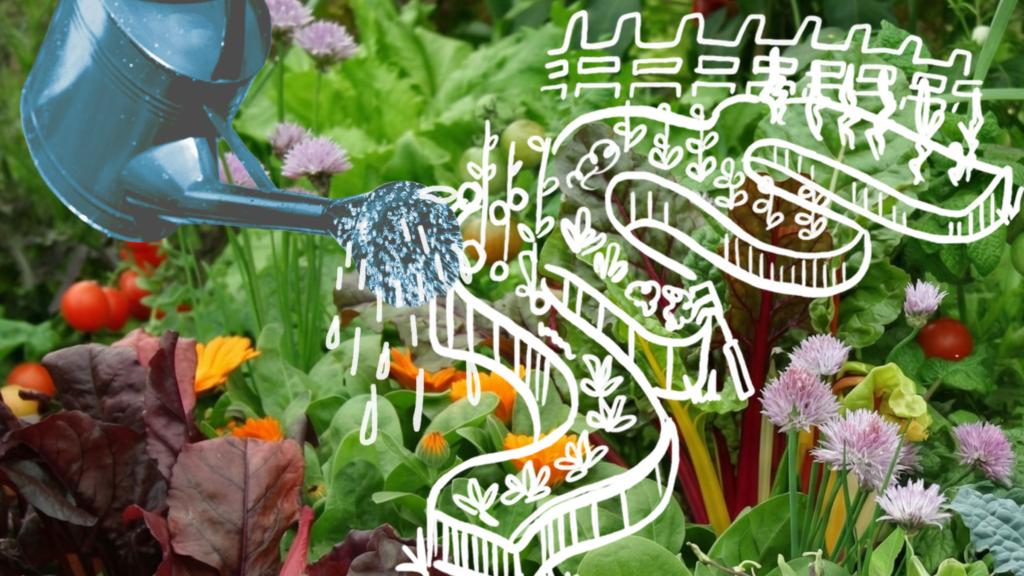
To understand the dynamic, we’ve found it easiest to look at our inner ecosystem as a garden:
- Probiotics are the seeds. These are the live, beneficial bacteria that help your microbiome flourish.
- Prebiotics are the sunlight. These specialized, non-digestible plant fibers act as the energy source that “turns on” your microbiome.
While probiotics are live beneficial bacteria, prebiotics are the fibers that serve as their fuel. We can have the best seeds in the world, but without sunlight, our gut bacteria stay dormant. Based on the research we follow, a thriving microbiome requires a steady stream of prebiotic “light” to produce beneficial metabolites like SCFAs (Short-Chain Fatty Acids).
It’s a lifecycle we’re all learning to manage: prebiotics energize the probiotics, which then produce the compounds that support your vitality. Without that initial spark, the whole system stays in the dark.
Not All Fiber is “Sunlight”
Here is a little science secret we picked up: All prebiotics are fiber, but not all fiber is prebiotic. Think of regular Insoluble Fiber (the stuff in kale or wheat bran) as the “broom” of the gut. It’s great for keeping things moving, but it’s not an energy source for your bacteria. Prebiotic Fiber is different. It’s a specific type of soluble fiber that our bodies can’t digest, but our “good” bacteria crave. It doesn’t just pass through; it wakes the garden up.
Where to Find Your “Light” (And The Real Math)
The experts at organizations like the USDA suggest we need closer to 25–30g of fiber per day to really thrive. But here’s the reality check: most of us are only hitting about 15g. Scientists actually have a name for this—they call it “The Fiber Gap”—and it’s the massive hurdle we’re all trying to jump together.
While we’re all for incorporating more garlic and onions into our diets, hitting that daily target is a bit of a math problem. To close that 15g gap from whole foods alone, you’d have to crunch through about eight raw onions every single day. We’re not sure about you, but we aren’t quite ready for that life.
The “Sweet” Life Hack: This is why we’re such big fans of ingredients like FOS (Fructooligosaccharides). It’s a prebiotic fiber that actually tastes sweet, making it the easiest way we’ve found to “turn on the lights” in a morning coffee or yogurt bowl.
One serving of OLILO boosts your meal with 7 grams of prebiotic fiber. To put that in perspective, you’d have to eat a staggering 14 bananas to get that much prebiotic goodness into your system.
A Quick Word on “Over-Exposure”
Look, we aren’t doctors, but we’ve learned this the hard way: if your inner garden hasn’t seen much light lately, don’t try to “fix” it all by tomorrow morning. Going from zero to thirty grams of prebiotic fiber can lead to some… vocal feedback from your stomach (hello, bloating).
We recommend starting small. Add 5–10g of prebiotic fuel to your routine each day and give your microbiome a chance to adjust to the new menu.
Feed the Foundation
At the end of the day, we’ve realized our gut isn’t a project to be “fixed”—it’s a living thing we carry with us. Tending to it shouldn’t feel like a chore. It’s simply about giving the “seeds” we’ve already planted the light they need to stay.
When we prioritize prebiotics, we’re ensuring that every good choice we make has the energy it needs to actually bloom. Our microbiomes are hungry. We think it’s time to let the sunshine in.